Late winter
Snow and cold define the landscape while returning light begins to alter daily rhythms.
About the refuge
An orientation to the Arctic National Wildlife Refuge: a vast, connected landscape of mountains, tundra, rivers, coastal wetlands, wildlife, and enduring cultural relationships.
A place of connected systems
The Arctic National Wildlife Refuge is internationally recognized for its ecological richness and remarkable beauty. Its habitats extend from the Brooks Range across foothills and tundra to the coastal plain and the waters beyond.
This guide approaches the refuge as a living network rather than a distant backdrop. Landforms, seasonal movement, wildlife habitat, and human history are closely connected across its breadth.
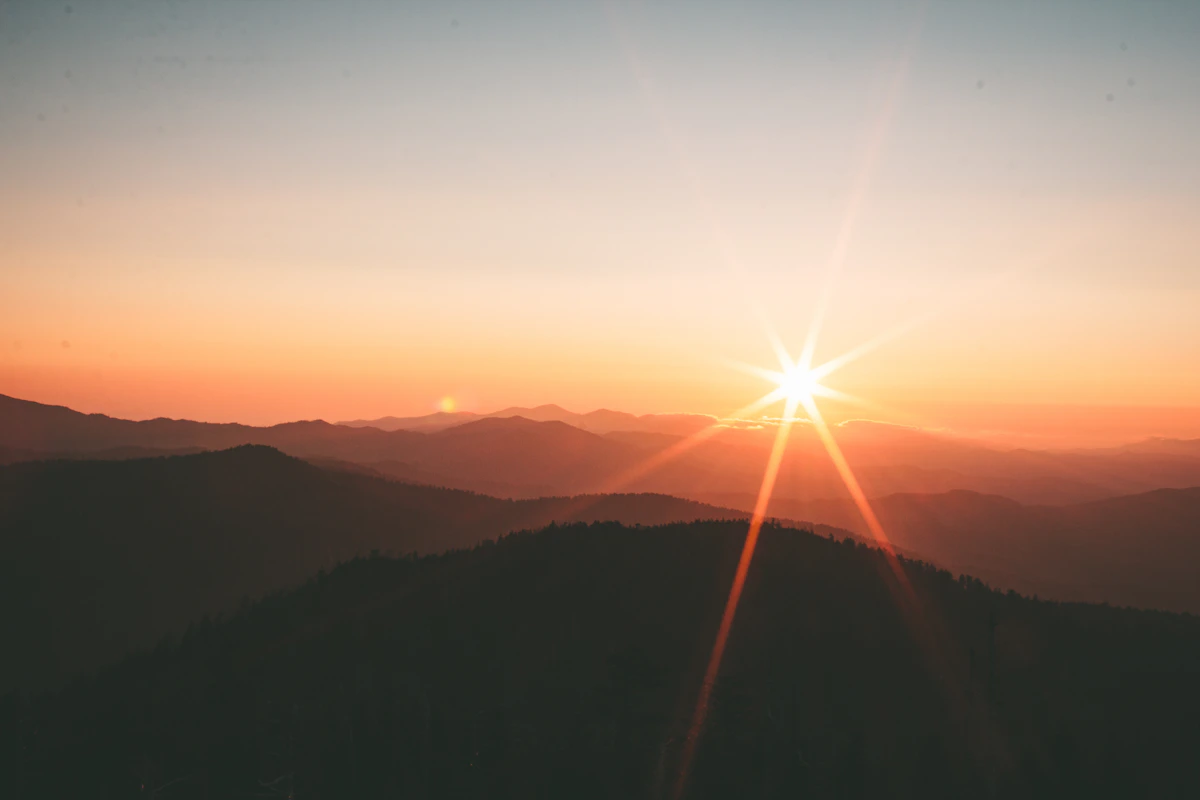
The refuge at a glance
The refuge covers a wide arc of northern Alaska, bringing together alpine terrain, river corridors, lowland tundra, wetlands, and the coastal plain. Each region contributes to the ecological character of the whole.
Wildlife use these connected habitats in different ways throughout the year. Caribou, birds, marine mammals, predators, and smaller species respond to snow, water, food, light, and temperature as conditions change.
Seasonal field notes
Seasonal conditions influence migration, reproduction, access, plant growth, and the daily patterns of life across the refuge.
Snow and cold define the landscape while returning light begins to alter daily rhythms.
Snowmelt opens waterways, migratory birds arrive, and plants begin a short growing season.
Long daylight supports nesting, feeding, calving, and movement across tundra and wetlands.
Temperatures fall, colors deepen, and many species begin journeys toward winter range.

Why connections matter
The refuge’s value lies in the relationships among its habitats. Rivers carry water from the mountains toward the coast. Tundra provides food and nesting ground. Coastal areas support animals during critical seasonal periods.
Industrial activity, transportation, and other disturbances can affect those relationships beyond the footprint of one structure. Understanding the refuge therefore requires attention to scale, timing, and the routes animals use across the landscape.
Read about natural processesContinue through the guide
These linked subjects offer different ways into the refuge’s ecology, landscape, and cultural context.
Explore the species and habitats that make the refuge a connected northern ecosystem.
Read about wildlife →Learn why this open northern region is central to seasonal life and conservation discussion.
Explore the coastal plain →Consider the long-standing cultural relationships that give the region meaning and context.
Meet the wider context →Explore the refuge
It is a large protected landscape in northern Alaska containing mountains, tundra, rivers, wetlands, coastal areas, and important wildlife habitat.
The coastal plain is a productive seasonal landscape used by wildlife for nesting, feeding, calving, and raising young.
Different species use different parts of the refuge throughout the year, often moving between habitats within and beyond its boundaries.
Caribou connect seasonal habitat, migration, food systems, and long-standing cultural relationships across the broader region.
Use the subject links on this page and visit the resources collection for further research pathways.