Insurers clarify limits on Arctic oil and gas underwriting
Recent policy decisions add context to the wider discussion about risk in sensitive Arctic environments.
Natural processes
The refuge is shaped by relationships that unfold over time: flowing water, shifting seasons, migrating animals, and the quiet persistence of life across the tundra.
A living landscape
Across Our Arctic Refuge, mountain, river, wetland, forest, and coastal plain form one connected system. Change in one place can influence conditions far beyond it, carried by water, weather, movement, and seasonal timing.
Understanding the refuge begins with allowing these connections to remain visible. Nature is not a collection of separate scenes; it is an ongoing process.
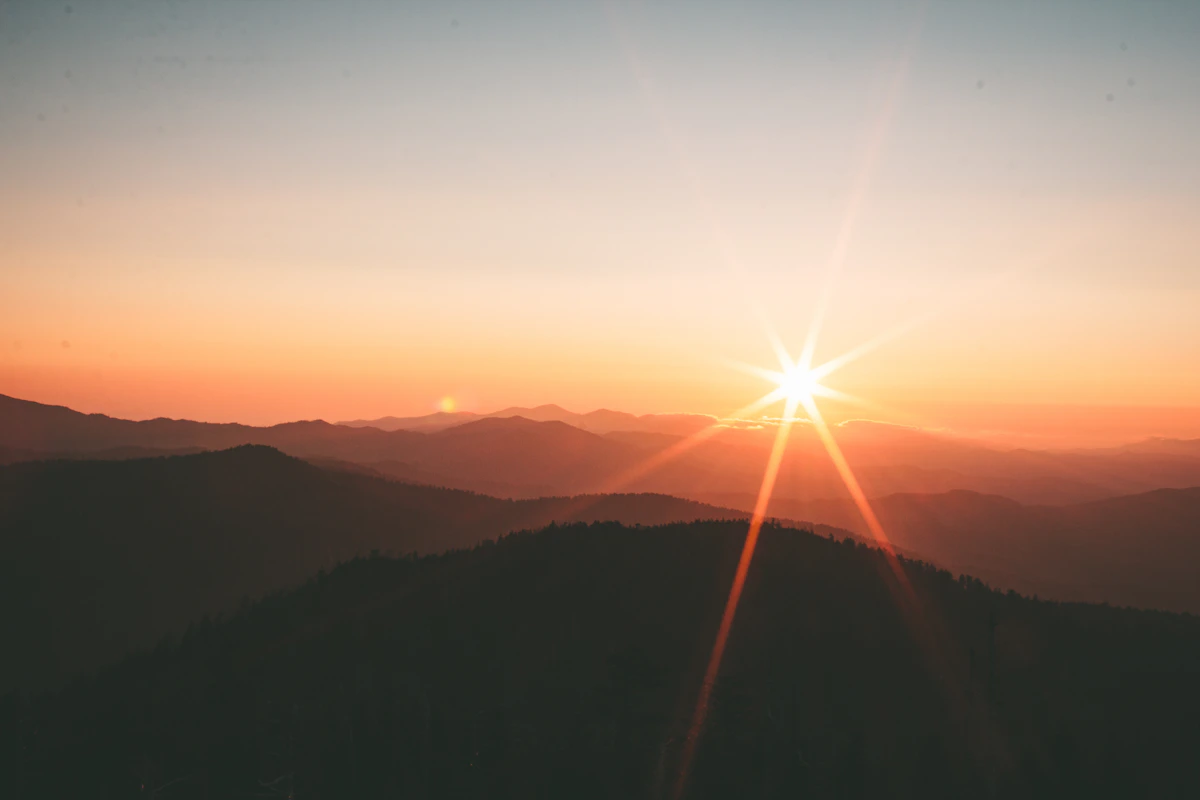
The forces at work
Water cuts channels through thawing ground and carries nutrients downstream. Wind and cold shape vegetation. Seasonal light determines when plants grow, birds nest, and animals travel.
These processes may appear gradual, but together they create the conditions that sustain an extraordinary range of life.
Read the pattern
Looking closely at the refuge means tracing the sequence of events that gives each season its shape.
A connected record
Field observations, ecological research, and cultural knowledge each offer a different view of how the refuge works. Read together, they make the connections easier to see.
Recent policy decisions add context to the wider discussion about risk in sensitive Arctic environments.
A coalition’s appeal focused attention on environmental and community considerations in Arctic decisions.
The announcement renewed discussion about industrial activity and long-term stewardship.
Processes such as thaw, growth, migration, and river flow explain how the refuge remains connected across distance and time.
Some changes happen over a single season, while others unfold over decades. Both timescales matter when reading the refuge.
Water transports nutrients, shapes channels and wetlands, and links mountain environments with the coastal plain.
Migration connects habitats and determines when many species can feed, reproduce, and find shelter.
Explore the wider refuge overview, the wildlife material, and the research resources collected throughout the site.